オーストリアチロルで、Wi-Fiのあるホテル
旅行予定日を指定し、最安料金や空室状況をチェック
Trip.com 受賞
2026年 オリコン顧客満足度®調査
旅行予約サイト 海外旅行 第1位
旅行予約サイト 海外旅行 第1位
下にスワイプしてさらに表示
絞り込み条件
ホテルランク
≤2345
お客さまの評価
とても素晴らしい 9以上素晴らしい 8以上とても良い 7以上良い 6以上Wi-Fiのある人気ホテル - チロル
旅の日程を選択して、最新の価格を表示
人気順
安い順
市中心部からの距離(近い順)
高評価
99+
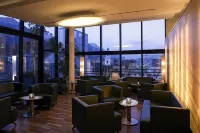
Hotel Innsbruck
インスブルックのホテル
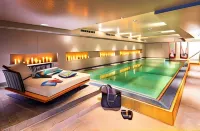
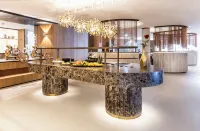
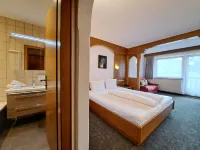
ホテル ダス インスブルック はインスブルックの中心部にあり、黄金の小屋根やシティ タワーから歩いてすぐです。 このスパホテルは、ホーフブルクまで 0.6 km、宮廷教会まで 0.6 km の場所にあります。
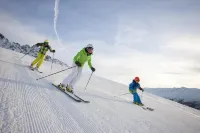
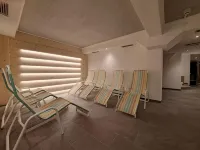
マッサージ、ボディ トリートメント、フェイシャル トリートメントを受けられるスパで贅沢な時間をお過ごしください。屋内プール、サウナ、自転車レンタルなどのレクリエーション設備でお楽しみいただけます。その他の設備としてこのホテルでは、WiFi (無料)、コンシェルジュ サービス、スキー用倉庫をご利用いただけます。
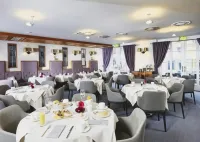
お食事はレストランでお召し上がりください。客室から、このホテルのルームサービス (営業時間限定)をご利用いただくこともできます。バー / ラウンジでお好みのドリンクを召し上がり、喉の渇きを癒してください。
コンピューター ステーション、ロビーでの新聞サービス (無料)、ドライクリーニング / ランドリー サービスをお使いいただけます。敷地内にはセルフパーキング (有料) が備わっています。
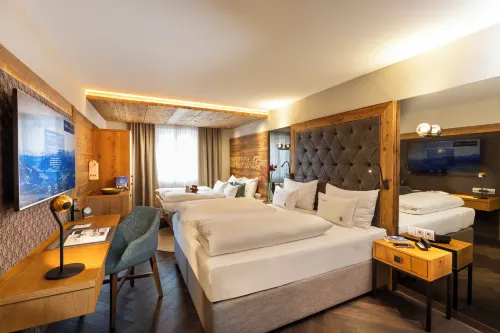
全部で 115 室ある冷房完備の客室には薄型テレビが備わっており、ゆったりおくつろぎいただけます。WiFi (無料)をお使いいただけるほか、衛星放送の番組をご覧いただけます。専用バスルームには、バスアメニティ (無料)、ヘアドライヤーが付いています。電話の他に、セーフティボックスやデスクもご利用いただけます。
「全体的に本当に素晴らしい体験でした。私たちが泊まった部屋からはイン川とノルトケッテ川の美しい景色が見え、朝食は種類豊富で美味しく、地下と最上階にそれぞれスパエリアが2つありました。」
素晴らしい
136件の口コミ
9.4/10
1泊
DKK 772~
60
Hotel TIA Apart
ゲマインデ・カウナータールのホテル
ホテル ティア アパートはカウナータールにあり、ザーファウス フィス ラディスやフェンデルス リート ゴンドラまで車で 15 分以内で行けます。 このホテルは、フェンデルスキーリゾートまで 13.4 km、フェンデルス-リード-バーンまで 15.6 km の場所にあります。
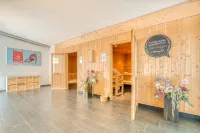
屋外テニスコート、サウナ、自転車レンタルなどのレクリエーション設備をぜひご利用ください。その他の設備としてこのホテルでは、WiFi (無料)、スキー用倉庫、近隣のフィットネス設備の利用 (割引)をご利用いただけます。
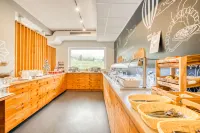
ホテル ティア アパートにご滞在中は、レストランでお食事をお楽しみください。1 日の終わりは、バー / ラウンジで 1 杯飲んで楽しみましょう。朝食ビュッフェを毎日 7:30 ~ 9:30 までお召し上がりいただけます (有料)。
ATM / 銀行サービス、エレベーターをご活用いただけます。敷地内にはセルフパーキング (無料) が備わっています。
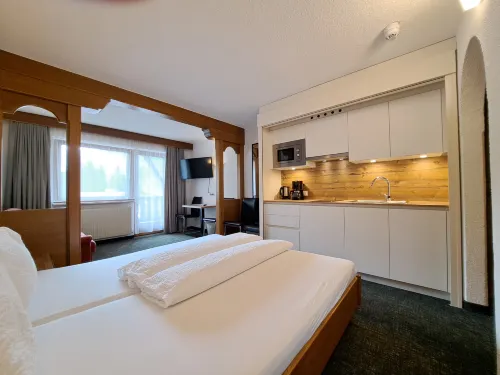
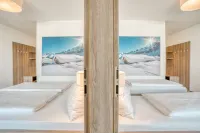
全部で 21 室ある客室には、薄型テレビが備わっています。各客室には、専用のバルコニーまたはパティオがあります。WiFi (無料)をお使いいただけるほか、ケーブルの番組をご覧いただけます。バスルームには、浴槽またはシャワー、バスアメニティ (無料)、ヘアドライヤーが備わっています。
とても良い
1件の口コミ
8.0/10
1泊
DKK 404~
92
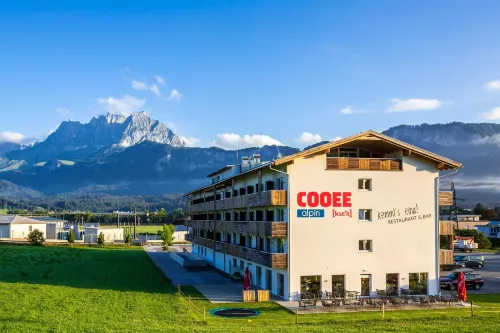
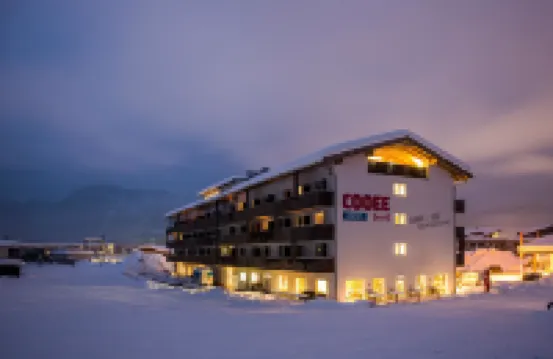
COOEE alpin Hotel Kitzbüheler Alpen
サンクト・ジョアン・イン・チロルのホテル
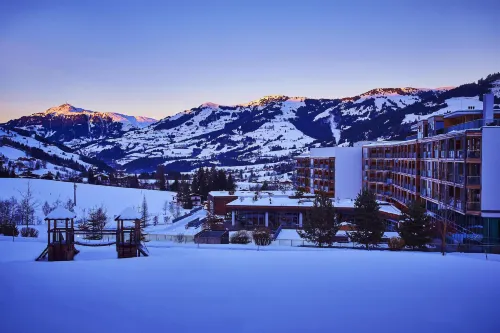
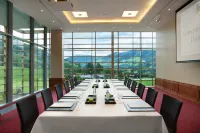
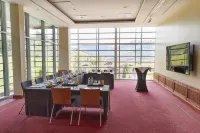
ザンクト ヨハン イン チロルの歴史地区にあるクーイー アルピン ホテル キッツビューエラー アルペンは、サンヨハンナー ベルクバーネンやパノラマ バーデヴェルトまで徒歩 15 分で行くことができます。 このファミリー向けホテルは、ブリクセンタールまで 8.1 km、ハーネンカム スキー場まで 12.5 km の場所にあります。
ゲレンデで 1 日遊んだり、サウナや24 時間営業のフィットネスセンターなどのレクリエーション設備をご利用いただけます。その他の設備としてこのホテルでは、WiFi (無料)、ゲームコーナー、スキー用倉庫をご利用いただけます。
クーイー アルピン ホテル キッツビューエラー アルペンでのお食事はレストランをご利用ください。また軽食にはスナックバー / デリをご利用いただけます。バー / ラウンジでお好みのドリンクを召し上がり、喉の渇きを癒してください。朝食ビュッフェを毎日 7:00 ~ 10:00 までお召し上がりいただけます (有料)。
ロビーでの新聞サービス (無料)、ドライクリーニング / ランドリー サービス、多言語サービスをお使いいただけます。敷地内にはセルフパーキング (無料) が備わっています。
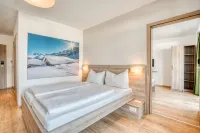
全部で 85 室ある客室には、薄型テレビが備わっています。各客室には、専用のバルコニーがあります。WiFi (無料)をお使いいただけるほか、衛星放送の番組をご覧いただけます。バスルームには、シャワー、バスアメニティ (無料)、ヘアドライヤーが備わっています。
「Frühstück super, Abendessen ganz in Ordnung. Lage etwas außerhalb des Ortes, Ber das weiß man vorher.
Preis/Leistung war für mich top.」
とても良い
62件の口コミ
8.6/10
1泊
DKK 389~
99+
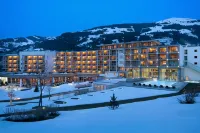
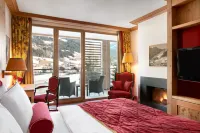
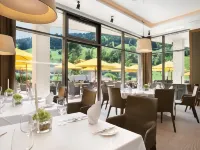
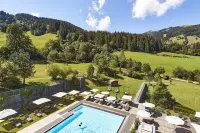
Kempinski Hotel Das Tirol
ヨッホベルクのホテル
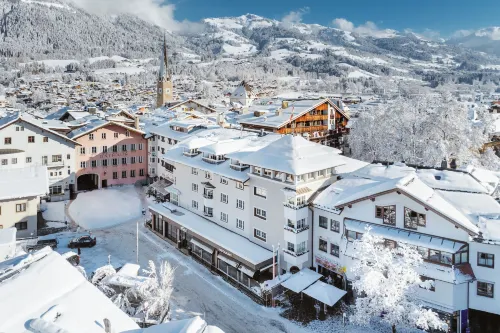
ヨヒベルクの山中にあるケンピンスキー ホテル ダス チロルは、ワーグシュテット スキー リフトやトゥルン峠まで車で 5 分です。 このファミリー向けホテルは、スキーサーカス・ザールバッハ=ヒンターグレム・レオガング・フィーバーブルンまで 44.6 km、ハーネンカム スキー場まで 7.5 km です。
マッサージ、ボディ トリートメント、フェイシャル トリートメントをお楽しみいただけるフルサービススパでおくつろぎください。このホテル には、スキー装着のままアクセス可能な便利な出入り口のほか、2 つの屋外プールがあります。その他の設備としてこのホテルでは、WiFi (無料)、コンシェルジュ サービス、託児サービス (有料)をご利用いただけます。
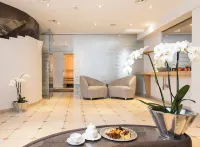
お食事はSteinbergでお召し上がりください。このレストランからはガーデン ビューを楽しめます。客室で24 時間対応のルームサービスも利用できます。バー / ラウンジまたはプールサイドバーで、お好きなドリンクを飲みながらおくつろぎいただけます。無料のビュッフェを毎日、7:00 ~ 11:00 までお召し上がりいただけます。
ビジネスセンター、ロビーでの新聞サービス (無料)、ドライクリーニング / ランドリー サービスをお使いいただけます。ヨヒベルクでのイベント開催には、このホテル の会議スペース、会議室など総面積 767 平方メートル (8256 平方フィート) のイベント設備をご利用いただけます。駅でのお迎え (24 時間対応) を無料でご利用いただけるほか、セルフパーキング (有料) も敷地内に備わっています。
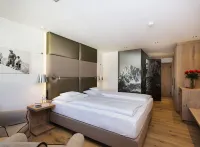
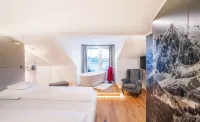
全部で 155 ある冷房完備の客室にはミニバー、薄型テレビなどが備わっており、ゆっくりおくつろぎいただけます。各客室には、専用のバルコニーがあります。有線インターネット アクセス / WiFi を無料でお使いいただけるほか、DVD プレーヤーをお楽しみいただけます。シャワー付き浴槽のある専用バスルームには、バスアメニティ (無料)、ヘアドライヤーが備わっています。
「Nicht unser erster und wird auch nicht unser letzter Aufenthalt im Kempinski Hotel Das Tirol sein, jedoch sind wir ein anderes Service gewohnt. Diesmal war das Zimmer nicht so sauber, wie man es vom Kempinski Hotel Das Tirol gewohnt ist. Am Boden lag Schmutz und Haare. Das Zimmer war veraltet.」
とても良い
61件の口コミ
8.9/10

98
Das Reisch
キッツビュールのホテル
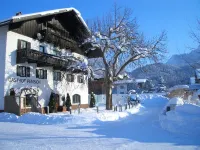
キッツビュール中心部のダス ライシュに宿泊すると、ハーネンカム スキー場やカジノ キッツビュールまで歩いてすぐです。 このスパホテルは、スキーサーカス・ザールバッハ=ヒンターグレム・レオガング・フィーバーブルンまで 25.4 km、アクアリーナ キッツビュールまで 0.2 km です。
マッサージを受けられるスパで贅沢な時間をお過ごしください。フィットネスクラブ (スタッフ常駐)、サウナなどのレクリエーション設備でお楽しみいただけます。その他の設備としてこのホテルでは、WiFi (無料)、スキー用倉庫、ツアー / チケット案内をご利用いただけます。
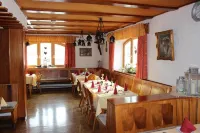
Restaurant Kaiserstubenでは食事、コーヒーショップ / カフェでは軽食を楽しめます。ホテルでは、ルームサービス (営業時間限定)も利用できます。1 日の終わりは、バー / ラウンジで 1 杯飲んで楽しみましょう。無料のビュッフェを毎日、7:30 ~ 10:30 までお召し上がりいただけます。
24 時間対応フロントデスク、多言語サービス、荷物保管サービスをお使いいただけます。空港送迎シャトルサービスをご利用いただけます (有料)。セルフパーキング (無料)も備わっています。
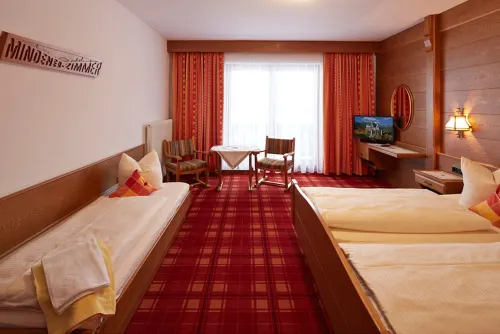
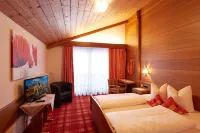
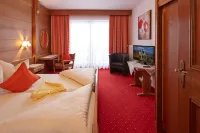
全 42 室あるそれぞれ異なる装飾のの施された客室には床暖房、薄型テレビがあり、滞在を満喫していただけます。WiFi (無料)をお使いいただけるほか、ケーブルの番組をご覧いただけます。電話の他に、セーフティボックスやデスクもご利用いただけます。
非常に良い
30件の口コミ
9.3/10
1泊
DKK 1,402~

98
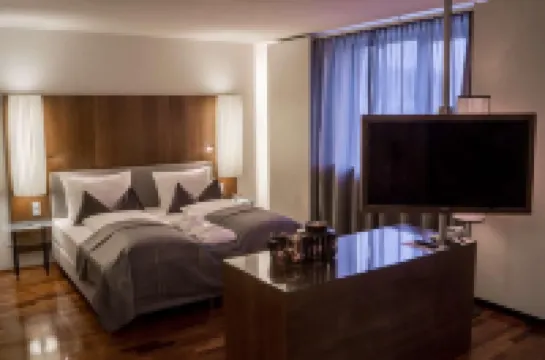
Alpenmotel Säuling
ピンスヴァングのホテル
アルペンモーテルセーリングはピンスヴァングにあり、ヴァイセン湖やフェストシュピールハウス・ノイシュヴァンシュタインは車 15 分です。 このB&Bは、エーレンベルグ城跡まで 10.1 km、ホップフェン湖まで 10.8 km の場所に位置しています。
テラスや庭園からの眺めを楽しみ、WiFi (無料)などをお使いいただけます。
エクスプレス チェックイン、エクスプレス チェックアウト、多言語サービスをお使いいただけます。敷地内にはセルフパーキング (無料) が備わっています。
全部で 29 室ある客室には、薄型テレビが備わっています。WiFi (無料)をお使いいただけるほか、衛星放送の番組をご覧いただけます。浴槽またはシャワーのある専用バスルームには、バスアメニティ (無料)、ヘアドライヤーが備わっています。デスク、独立した応接スペースをご利用いただけ、ハウスキーピング サービスは、毎日行われます。
「Waren auf der Durchreise nach Italien. Hat perfekt gepasst. Ruhige Lage, alles sauber und freundliche Gastleute」
とても良い
69件の口コミ
8.3/10
73
The Penz Hotel
インスブルックのホテル
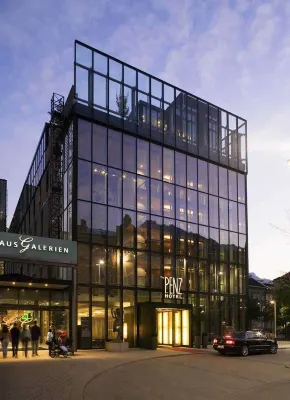
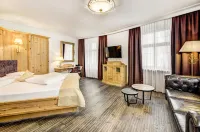
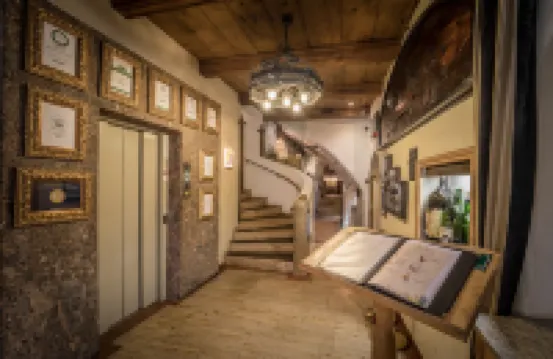
インスブルックの中心部のザ ペンズ ホテルは、ラトウス ガレリエン ショッピング センターやインスブルック旧市街クリスマス マーケットまで歩いて 5 分とかからない場所にあります。 このホテルは、インスブルック マーケット ホールまで 0.6 km、凱旋門まで 0.7 km の場所にあります。
ルーフトップテラスからの眺めを楽しみ、WiFi (無料)やスキー用倉庫などをお使いいただけます。
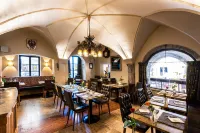
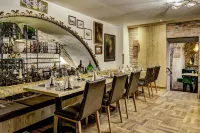
便利なホテルのルームサービス (営業時間限定)をご利用いただけます。バー / ラウンジでお好みのドリンクを召し上がり、喉の渇きを癒してください。朝食ビュッフェは、平日は 6:30 ~ 11:00 まで、週末は 7:00 ~ 正午 まで、有料でお召し上がりいただけます。
ビジネスセンター、ロビーでの新聞サービス (無料)、ドライクリーニング / ランドリー サービスをお使いいただけます。空港送迎シャトルサービス (24 時間対応) を有料でご利用いただけるほか、敷地内にはセルフパーキング (有料) も備わっています。
全部で 92 室ある冷房完備の客室にはミニバーがあります。客室ではWiFi (無料)をご利用いただけます。バスルームには、浴槽、ヘアドライヤーがあります。セーフティボックス、デスクをご利用いただけ、ハウスキーピング サービスは、毎日行われます。
「😊:首先的話服務非常好,這個酒店的地理位置就在市中心,而且旁邊就是購不到商場酒店,地下是停車場,所以進出酒店開車是非常方便的
酒店的房間確實是比較偏,小的就是正常的一個比較簡單的設計,不用有太大的期待
🩷: 這個酒店最值得推薦的是他的早餐,這個是我們見過我前最精緻的早餐,沒有哪個酒店這家早餐有這麼多不同品類的水果果醬的,所以住這個酒店的話一定要去吃他的早餐,而且他的風景非常得好,他樓頂的玻璃窗
😩:幫大家避雷,千萬要看評論,我們原本訂的是另外一家公寓,Kaiser Max Design Appartements 到了之後要收71歐的清潔費,而且這家酒店很多東西都要額外收費,預訂的時候一定要注意看一下是幾個人入住,他會要求你多一個人要95歐,你不交錢都不讓你進房間,他們説是你定的是一個人的公寓,而不是一個整套公寓,態度也不好,大家訂酒店的時候多看看評論這家千萬不要去幫各位同胞踩坑了,錢也不會退!」
非常に良い
106件の口コミ
9.2/10
1泊
DKK 1,234~
99+
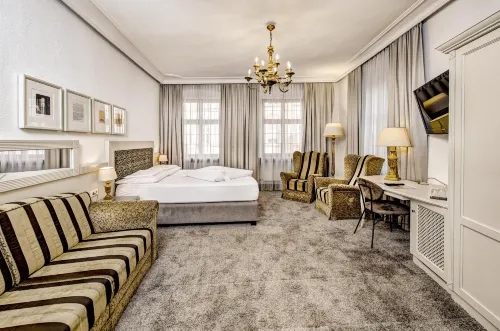
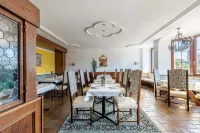
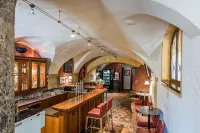
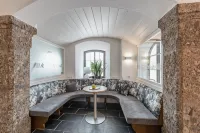
Hotel Goldener Adler, Bw Signature Collection
インスブルックのホテル
ホテル ゴールデナー アドラー, BW シグネチャー コレクションはインスブルックの中心部にあり、インスブルック旧市街クリスマス マーケットやオットーブルグには歩いてもすぐ行けます。 このホテルは、シティ タワーまで 0.1 km、インまで 0.1 km の場所にあります。
テラスからの眺めを楽しみ、WiFi (無料)やコンシェルジュ サービスなどをお使いいただけます。
Goldener Adlerでは、ランチ、ディナーを提供しています。このレストランは多国籍料理が有名です。客室でルームサービス (営業時間限定)も利用できます。1 日の終わりは、バー / ラウンジで 1 杯飲んで楽しみましょう。フル ブレックファストを毎日、お召し上がりいただけます (有料)。
24 時間対応フロントデスク、多言語サービス、荷物保管サービスをお使いいただけます。敷地内にはセルフパーキング (有料) が備わっています。
全部で 39 室ある冷房完備の客室で、ご滞在をお楽しみください。有線インターネット アクセス / WiFi を無料でお使いいただけるほか、デジタルの番組をご覧いただけます。バスルームには、シャワー、ヘアドライヤーがあります。電話の他に、セーフティボックスやデスクもご利用いただけます。
「Freundlicher professioneller Empfang, herzliche Begleitung, gepflegtes Zimmer und ein Frühstück, das keinen Wunsch offen lässt! So soll es sein:-) Danke, ich habe mich sehr wohl gefühlt!」
非常に良い
129件の口コミ
9.1/10
1泊
DKK 773~
99+
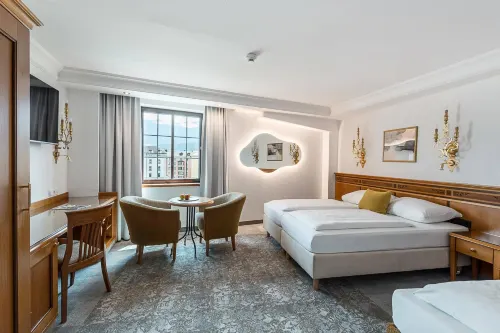
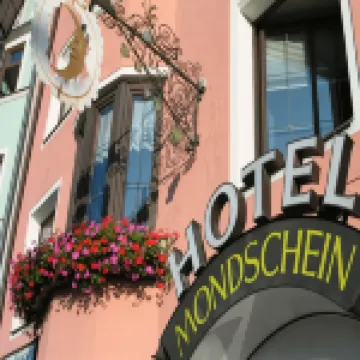
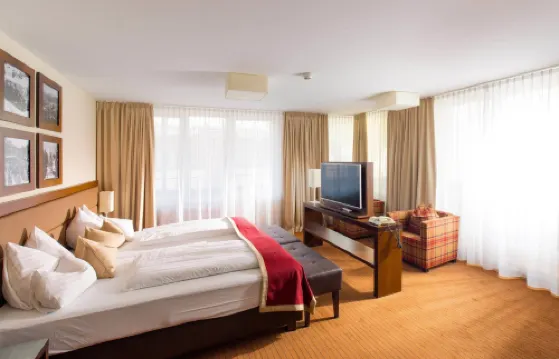
Hotel Mondschein
インスブルックのホテル
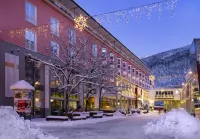
ホテル モーントシャインはインスブルックの中心部なのでとても便利です。黄金の小屋根やシティ タワーまでは歩いて 5 分とかかりません。 このホテルは、ホーフブルクまで 0.7 km、ノードケトゥ ケーブル カーまで 4.1 km の場所に位置しています。
便利なスキー用倉庫、施設内のショップ、ツアー / チケット案内などをご利用いただけます。その他の設備としてこのホテルでは、自動販売機、駐輪場、自転車ショップをご利用いただけます。
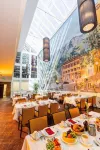
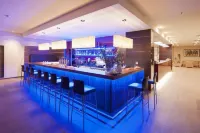
バー / ラウンジでお好みのドリンクを召し上がり、喉の渇きを癒してください。無料のビュッフェを毎日、7:00 ~ 10:00 までお召し上がりいただけます。
24 時間対応フロントデスク、多言語サービス、荷物保管サービスをお使いいただけます。敷地内にはセルフパーキング (有料) が備わっています。
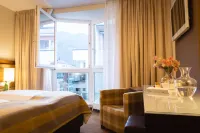
全部で 31 室ある客室には、液晶テレビが備わっています。WiFi (無料)をお使いいただけるほか、衛星放送の番組をご覧いただけます。バスルームには、バスアメニティ (無料)、ヘアドライヤーがあります。電話の他に、セーフティボックスやデスクもご利用いただけます。
「ホテルは市内中心部からそう遠くないインの海岸にあります。ダブルルームをクリアし、仕切りのある部屋と部屋があります。ベッドには星空があります。朝食用布、非常に選択的です。客室には荷物預かりを含むゲストサービスがあります。」
非常に良い
108件の口コミ
9.2/10
1泊
DKK 714~

99+
Hotel Stadt Kufstein
クーフシュタインのホテル
クーフシュタインの中心部に位置するホテル シュタット クーフシュタインは、レーマーホーフ アレイから徒歩 4 分、クーフシュタイン要塞から徒歩 7 分です。 このスキーホテルは、リーデルガラス博物館&工場まで 1.4 km、ティールゼーまで 8.8 km の場所にあります。
ゲレンデで 1 日過ごした後は、サウナやフィットネスセンターなどのレクリエーション設備をご利用いただけます。その他の設備としてこのホテルでは、WiFi (無料)、スキー用倉庫、テレビ (共用エリア)をご利用いただけます。無料の送迎サービスを利用すれば、ゲレンデまであっという間です。
バー / ラウンジでお好みのドリンクを召し上がり、喉の渇きを癒してください。朝食ビュッフェを毎日 6:30 ~ 10:00 までお召し上がりいただけます (有料)。
エクスプレス チェックアウト、ロビーでの新聞サービス (無料)、ドライクリーニング / ランドリー サービスをお使いいただけます。クーフシュタインでのイベント開催には、このホテル の会議スペース、3 室の会議室など総面積 125 平方メートル (1346 平方フィート) のイベント設備をご利用いただけます。空港送迎シャトルサービス (24 時間対応) を有料でご利用いただけるほか、敷地内にはセルフパーキング (有料) も備わっています。
全部で 73 室ある客室にはエスプレッソマシン、薄型テレビがあります。ピロートップのベッドが客室に備わっています。WiFi (無料)をお使いいただけるほか、ケーブルの番組をご覧いただけます。専用バスルームには、バスアメニティ (無料)、ヘアドライヤーが付いています。
「酒店前台非常熱情,工作效率也非常的高,停車也方便,周邊還有很多好吃的館子,小鎮的風景也非常的美」
非常に良い
16件の口コミ
9.0/10
1泊
DKK 838~
チロル ホテルの宿泊者口コミ・レビュー
全て表示
オーストリア トレンド ホテル コングレス インスブルック
9.0/10
非常に良い
投稿日:2025年11月27日
匿名ユーザー
このホテルが大好きです。主要な観光スポットへのアクセスも抜群で、バスの乗り換えも簡単です。540番バスはクレッターセンター(Kletterzentrum)まで直通で、反対方向の中央駅(Haupbahnhof)にも行けます。観光バスの停留所とノルドケッテ(Nordkette)行きの電車も目の前にあり、便利です。隣にはスーパーマーケット「ユーロスパー(Eurospar)」があり、必要なものはすべて揃っています。
最低料金(1泊):DKK 877
Holiday Inn Innsbruck
9.0/10
非常に良い
投稿日:2024年2月15日
 Tudouxiansheng1982
インスブルックはまさに楽園のようなオーストリアの町です。ホテルには小さなバルコニーがあり、ケーブルカーでノルドシュライフェの頂上まで行くことができます。ザハ・ハディドが設計したケーブルカーの駅は本当に素晴らしいです。山でスキーをすることもできます。帰りに車を停めるのは素晴らしいことです。30 分の残業代として 25 ユーロの罰金を支払わされましたが、支払いに 1 時間を無駄にしました。オーストリア🇦🇹はこの点に関してはちょっとした罠なので注意してください、手数料は12ユーロでした。
最低料金(1泊):DKK 622
アルペンパーク リゾート
8.8/10
とても良い
投稿日:2026年1月9日
ゲスト
When systems replace people
Alpenpark Seefeld is, from an architectural and spa perspective, a high-quality hotel.
The materials, interior design and spa facilities show that a lot of investment and effort went into the physical space.
What failed completely during my stay was human communication.
A small misunderstanding regarding food turned into a deeply uncomfortable experience, not because of the rules themselves, but because of how rigidly and mechanically they were enforced.
Instead of clarifying expectations or simply explaining the system calmly, the staff reacted in a defensive, automated way, as if they were protecting a conveyor belt rather than speaking to a person.
At no point did anyone try to understand what I actually meant.
Instead, the situation was subtly reframed so that I appeared as someone “demanding something for free”, which was never the case. This role reversal felt humiliating and unnecessary — and it happened solely because no one paused for a moment to communicate as a human being.
The same pattern appeared again when I addressed the fact that my room heating was not working for two nights (later confirmed by technicians).
The response was not concern or responsibility, but a procedural answer: “You should have said something earlier, now nothing can be done.”
What connects these situations is not bad luck, but a systemic mindset:
rules over people, procedures over reality, defense over understanding.
This hotel does not have a problem with facilities.
It has a problem with conveyor-style perception of guests, where the goal seems to be closing interactions quickly rather than actually resolving them.
I am writing this not out of anger, but in the hope that the team pauses and reflects:
How did a paying guest end up feeling diminished, unheard, and mislabeled — in a hotel of this level?
With a shift toward real communication and accountability, Alpenpark Seefeld could be excellent.
Without it, even beautiful interiors cannot compensate for the emotional damage caused by robotic service.
最低料金(1泊):DKK 459
オーストリア クラシック ホテル インスブルック バインダー ガルニ
7.7/10
良い
投稿日:2026年2月1日
John Vincent (JV)
*Reading the reviews prior of booking, one comment sticks in my mind was this hotel is a scam. First, I don’t believe as could be different experience. Also some says, staff are nice and friendly but there are also rude staffs.*
I was transferred to this hotel, i booked *junior suite* room with double sized bed. Sounds good right ? But it’s so, so.
Prior to check in, their policy is 2:30 pm. on the app is 2 pm. I arrived 1:36 and the reception want to charged me 15 euros, Instead I wait. She is rude, it reminds me the reviews, she is No customer service background.
The view from window is amazing, room is clean, bed is comfortable. However, shower is too short from the corner, I’m small but still not able to stand. Toiletries is on place, no room sleeper for cold floor. No mini bar, no tea or coffee (available in reception with charge), no pen and paper on desk and other basics on 4 star categories. The room is on attic, limited low ceiling.
Breakfast was basic, by the way the 2 young ladies are friendly, could be the trainees. What nice from selection is fresh orange juice from the machine, and freshly slice cured meat. The same lady from the reception is touching food with bare hand. Thanks I’m done of breakfast.
Sauna is stated as part of hotel facilities however it’s not functional on my 2 days stay. Reception said you have to wait 1.5 hours or to have notice ahead of time.
Overall, my first visit in Innsbruck was great however with this hotel was the last. Not guests service oriented.
最低料金(1泊):DKK 545
ベーシック ホテル インスブルック
8.5/10
とても良い
投稿日:2025年10月9日|ベーシック ダブルルーム
ゲスト
サービスは素晴らしかったです。早めにチェックインしたのですが、チェックイン前に荷物を預けることができました。スタッフはとても親切で丁寧でした。立地も街の中心部で、行きたいところはどこへでも歩いて行けました。部屋自体は外のトラムの音で少しうるさかったですが、それ以外は設備も部屋も素晴らしかったです。
最低料金(1泊):DKK 631
ラディソン レッド インスブルック
9.0/10
非常に良い
投稿日:2026年6月30日
MOHAMED_HASHADthe place is new and magnificent, right next the station and in the heart of the city , shout out to Miriam in the reception for the hospitality, the top roof has a great view however there is a certain beared guy who is so rude if you haven’t order anything yet ! very rude guy !
最低料金(1泊):DKK 840
ヒルトン ガーデン イン インスブルック ティボリ
8.7/10
とても良い
投稿日:2026年5月6日
Yinseホテルでの経験に失望しています。
ランドリーサービスは管理が不十分です。ホテル全体で利用できる洗濯機は1台のみで、ゲストには十分ではありません。滞在中、あるゲストがほぼ一日中マシンを占有し、靴を洗うまでしていました。これは他のゲストの衛生上の懸念を引き起こしました。
朝食サービスもがっかりしました。いくつかのグループ予約のため、個のゲストは午前9時以降に戻ってくるように言われました。これは非常に不便でした。グループが存在する場合でも、ゲストは適切に収容される必要があります。
さらに、イポトナという名前のウェイトレスは、プロフェッショナルな態度を持っていました。彼女のコミュニケーションは不親切で、ゲストは歓迎されませんでした。ホスピタリティスタッフは、すべてのゲストに対して丁寧で親しみやすい態度を維持する必要があります。
経営陣がこれらの問題を検討し、サービス品質とゲスト体験の両方を向上させることを願っています。
最低料金(1泊):DKK 552
デア レッシェンホフ
8.6/10
とても良い
投稿日:2026年1月24日
ゲスト
Pros: nice breakfast with diversity included with good price. Lovely room even a bit old and I was scared at night a bit haha. Nice view to the mountains. Spacious room for one person
Cons: I’m so disappointed with the guy receptionist (white hair) he wasn’t bothered to answer or help. Barely talked and just tried to end the conversation. I came to the reception and said hi and started to check in, or even when I came to ask something, but he still sat at the table further away and listened to me from a distance and answered quietly that I hardly could hear while I tried to speak loudly as he stayed far away. What is that kind of customer service? I felt like I disturbed him and stayed without paying!
最低料金(1泊):DKK 565
アドラーズ ホテル インスブルック
8.7/10
とても良い
投稿日:2025年8月9日
ゲスト
Expensive. Front desk friendly and efficient. Car park at 18 euros a day. Rooftop bar music is crazy loud and reverberates thru the room rendering sleep impossible so make sure to ask for lower floor. Good location. Breakfast good.
最低料金(1泊):DKK 951
ホテル インスブルック
9.4/10
素晴らしい
投稿日:2024年5月21日|スーペリアノルトケッテダブルルーム
olafstando全体的に本当に素晴らしい体験でした。私たちが泊まった部屋からはイン川とノルトケッテ川の美しい景色が見え、朝食は種類豊富で美味しく、地下と最上階にそれぞれスパエリアが2つありました。
最低料金(1泊):DKK 772
よくある質問:
チロルにあるWi-Fi併設の人気ホテルを教えてください
チロルへの出張でもバカンスにも 、Holiday Inn Innsbruck (DKK 658~) 、オーストリア トレンド ホテル コングレス インスブルック (DKK 619~) 、アドラーズ ホテル インスブルック (DKK 1,032~) は全ておすすめのホテルです。
チロルにあるWi-Fi併設のホテルの平均宿泊料金を教えてください
チロルにあるWi-Fi併設のホテルの、平日の平均価格はDKK 2,051、週末(金~土曜日)の平均価格はDKK 2,140です。
チロルにあるWi-Fi併設の人気格安ホテルを教えてください
格安ホテルはいつも大人気です!チロルにはWi-Fiが併設されたホテルの中でも、モーテル ワン インズブルック (DKK 739~) 、イビス インスブルック (DKK 644~) 、クーイー アルピン ホテル キッツビューエラー アルペン (DKK 546~) は非常に人気があります。
チロルにあるWi-Fiが併設されたラグジュアリーホテルを教えてください
チロルにはWi-Fiが併設されたラグジュアリーホテルがたくさんあります。グランド ティロリア キッツビュール - メンバー オブ ホマージ ラグジュアリー ホテルズ コレクション (DKK 1,714~)は非常に人気があります。
チロルにあるWi-Fi併設のホテルで利用可能なキャンペーンを教えてください
Trip.comでは、年間を通じてさまざまなキャンペーンや割引を提供しています。キャンペーンページから、Trip.comでご利用いただけるキャンペーンをご確認いただけます。
ホテル・旅館の基本情報
| 掲載ホテル数 | 976 |
|---|---|
| レビュー数 | 27,705 |
| 平均料金(平日) | DKK 2,051 |
| 平均料金(土日祝) | DKK 2,140 |
お客様へのおすすめ
施設の整ったホテルを更に検索
ペンシルベニア州の朝食付きホテルカスティーリャ・レオン州の朝食付きホテルヘルダーラント州のWi-Fi付きホテルフジャイラ首長国のスパのあるホテルミナスジェライス州のスパのあるホテルシェラン地域のスパのあるホテルバイエルン州のスパのあるホテル西ヴィサヤのスパのあるホテルルソン中心部のスパのあるホテル南西スオミのスパのあるホテル宮古島 プール付きホテル大阪 プール付きホテル伊豆市 プール付きホテル東京 プール付きホテル東京 駐車場付きホテル大阪 駐車場付きホテル札幌 プール付きホテル那覇 プール付きホテル福岡 プール付きホテル京都 駐車場付きホテルシンガポールのプールのあるホテルジョージアのWi-Fi付きホテルアルゼンチンのWi-Fi付きホテルバヌアツのジム付きホテルアンティグア・バーブーダのジム付きホテルガーナのジム付きホテルパキスタンの朝食付きホテルミャンマーの朝食付きホテルジョージアの朝食付きホテルサンマリノの朝食付きホテル
注目情報
三重県のジム付きホテル北部州のジム付きホテルオー・ド・フランスのスパのあるホテルダルエスサラーム州のジム付きホテルジャハラー県のプールのあるホテルチャナッカレ県の駐車場付きホテルバウチのWi-Fi付きホテルセントジェームズ教区のジム付きホテル東部のスパのあるホテルコーズウェイ・コースト・アンド・グレンズのスパのあるホテルマアカル地方の駐車場付きホテルアンティオキア県のジム付きホテルマラッカ州のスパのあるホテルベージャ県のスパのあるホテルヴェステルボッテン県の駐車場付きホテルバート・キッシンゲン プール付きホテルファンガレー 駐車場付きホテルシェナンドア プール付きホテルブランソン・タウンシップ Wi-Fi付きホテルエヒャンゼーニ Wi-Fi付きホテル