
大方の人気新規開業ホテル
宿泊予定日を指定して、空室情報や特別料金をチェック

Trip.com 受賞
2026年 オリコン顧客満足度®調査
旅行予約サイト 海外旅行 第1位
旅行予約サイト 海外旅行 第1位
下にスワイプしてさらに表示
絞り込み条件
ホテルランク
≤2345
お客さまの評価
とても素晴らしい 9以上素晴らしい 8以上とても良い 7以上良い 6以上大方 新規開業ホテルのおすすめ34軒
宿泊予定日を指定して最安料金をチェック
人気順
安い順
市中心部からの距離(近い順)
高評価






99+
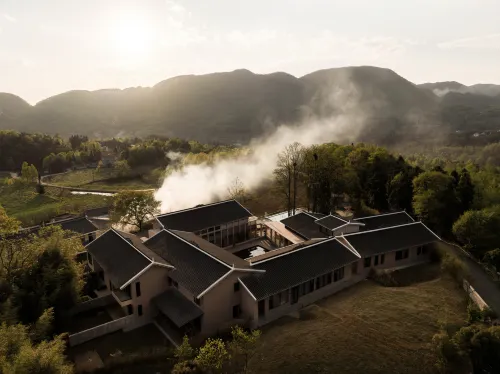
Hundred-mile Azalea ·Jianglu Saga Villa
大方のホテル
「初めて職人炉ブランドのリゾートホテルを体験して、とても満足しました。
スケジュールがちょっときついので、ここはもう遅くなりました。夕食の時間が過ぎましたが、やはり私達のために鍋を前もって作って、私達を待っています。雨の日に運転して、車を降りたら熱い酸っぱいスープ鍋を食べられます。本当に素晴らしいです。
インターネットで道路があまり良くないと言っているのを見ましたが、実際の体験は大丈夫です。日中は特に難しいことではありません。
ホテルはとても人気があり、周囲の景色もとても良いです~朝食は1時まで続くことができますが、さまざまな活動に追いつかなかったのは残念です。
最後に、私は執事Xiaowan、スパイシー、そして恥ずかしいことを賞賛しなければなりません、サービスは非常に思慮深く、機会があればまた来ます~」
最高
49件の口コミ
9.8/10
1泊
€123~

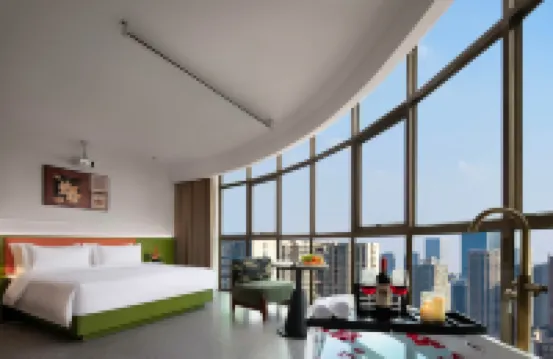

99+
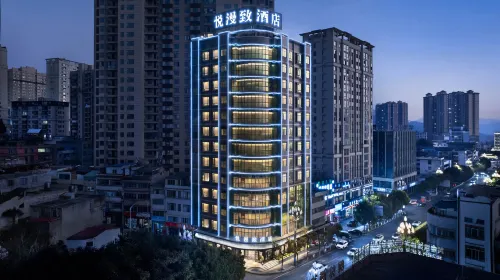
悦漫致酒店(毕节大方店)
大方のホテル
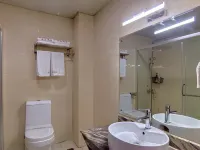
「ホテルの全体的な設備は非常に新しく、手入れが行き届いています。部屋は清潔で整頓されていて、設備が整っていて、とても快適です。ジムにはさまざまな設備と広としたスペースがあり、スポーツ体験は素晴らしいです。朝食ルームは環境が良く、食事は豊富でバラエティに富んでおり、味はオンラインで、食事はとても満足です。全体的な価格は非常に高く、滞在の経験は素晴らしいです、お勧めです!」
282件の口コミ
8.6/10
1泊
€15~
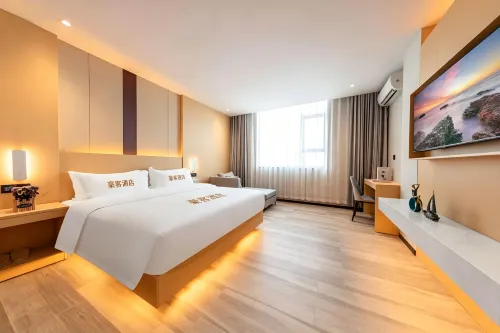


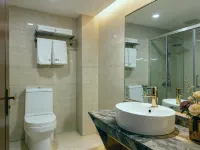


89
Haoke Hotel (Guizhou Province Dafang County No. 3 Middle School)
大方のホテル
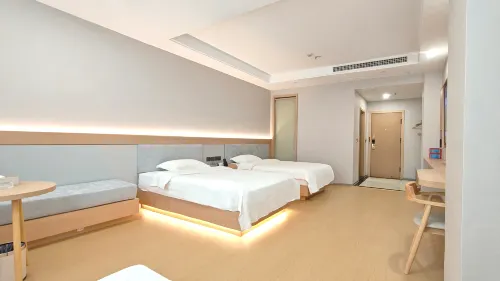
「酒店位置很好,出行方便,周邊餐館和超市眾多,吃飯逛街不用走遠。房間設施嶄新完好,價格實惠,工作人員待人温和,在大方住宿選這裏,性價比遠超同價位別家酒店。」
56件の口コミ
7.8/10
1泊
€11~





78
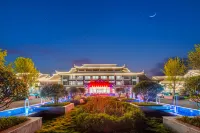
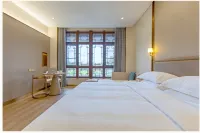
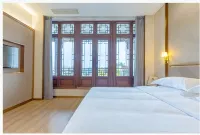
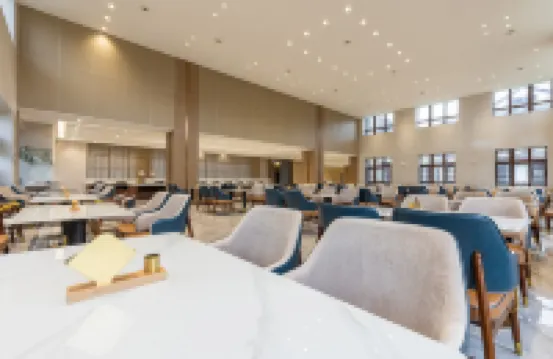
Bermann hotel
大方のホテル
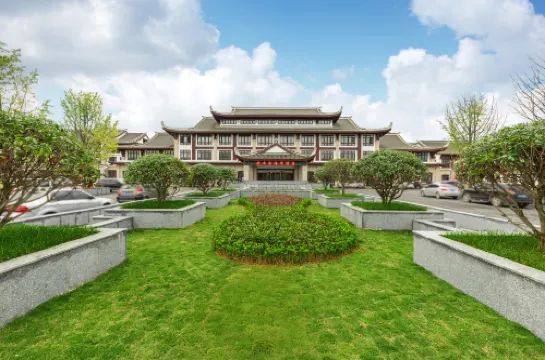
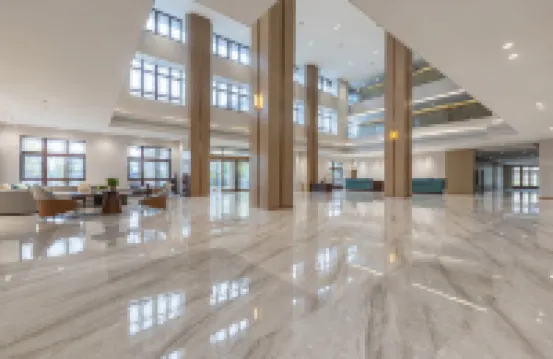
「總體來説,是很不錯的,停車很方便,衞生還好吧,這個價錢性價比可以了,停車很方便,主要開來電車還有充電樁可以充電,不用到處去找充電樁,前台小姐姐的服務態度美的説,問美食和公交怎麼坐,是給客人做了攻略的,不錯不錯值得推薦,一進來就拍了幾張,總體不錯,五星好評,推薦,我定的無窗還給我升級了」
良い
100件の口コミ
9.0/10
1泊
€17~

73
Nanzhuo Jinhaiwan Hotel
大方のホテル
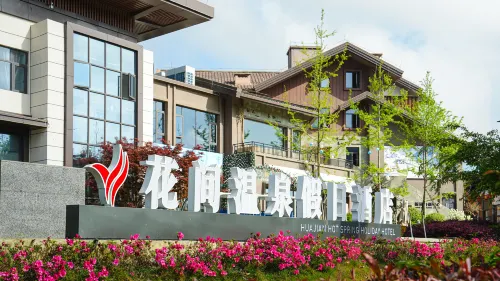
「この滞在の経験は素晴らしかったです!ホテルは全体的に清潔で衛生的で、部屋は明るく、設備は整っており、バスアメニティは完備されています。フロントデスクのサービスは親密で、チェックインは速く、旅行は便利で、遮音性は良好で、睡眠は非常に安定しており、全体的に非常に満足しています。~」
51件の口コミ
8.0/10
1泊
€57~


38
23件の口コミ
8.0/10
1泊
€23~












44
Qingjian Homestay (Shexiang Ancient Town)
大方のホテル
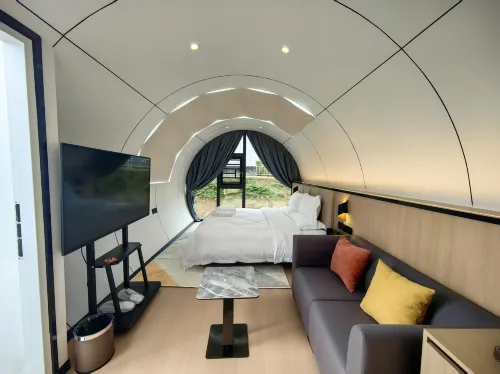
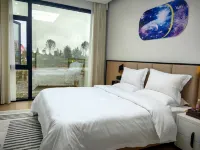
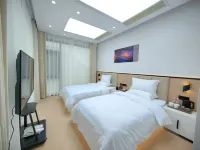
「場所:高速道路から1分、道路のすぐそばにあり、見つけやすく、とても便利です。 、26年に新しくオープンした自作のホームステイは、見た目は目立たないようで、中には穴がありません。すべての部屋はとても広くて清潔で、寝具もとてもきれいで、とても良いです。、 部屋はとても広く、各部屋はとても暖かく装飾されています。スタンダードルームには1つのベッドルームと1つのリビングルームもあり、とても快適です。バスルーム用品には使い捨てトイレパッドとフェイスタオルもあり、とても思いやりがありとても良いです。オーナーもとても良いです、私はこのホームステイを強くお勧めします。」
最高
54件の口コミ
9.9/10
1泊
€12~



44
百里杜鹃百里云端·国际康养露营基地
大方のホテル
「有特色。服務、餐飲有待提高。」
7件の口コミ
8.5/10
1泊
€39~





46
Huayu Hotel
大方のホテル
「前台熱情周到。房間設施很新,乾淨,中央空調,智能窗簾,智能馬桶,護髮素,潔面巾,吹風機,茶包,娃哈哈礦泉水,美中不足是房間沒有單獨的座椅或者沙發,不睡覺歇腳的時候需要坐床上。另外背後有奢香公園,早上跳壩壩舞會有音樂聲。總體來説很滿意,下一次到大方還會選擇華譽」
素晴らしい
81件の口コミ
9.5/10
1泊
€25~
よくある質問
今週末、大方のホテルの平均料金はいくらですか?
Trip.comの直近12か月のデータによると、今週末に大方の3つ星ホテルで宿泊する場合、平均料金は1泊あたり€43です。4つ星ホテルは1泊あたり約€75で、よりラグジュアリーな滞在をご希望の場合は、大方にある5つ星ホテルが通常1泊あたり€121となっています。
大方のホテルの平日の宿泊料金はいくらですか?
Trip.comの直近12か月のデータによると、平日に大方の3つ星ホテルで宿泊する場合、平均料金は1泊あたり€42です。4つ星ホテルは1泊あたり約€75、よりラグジュアリーな滞在をご希望の場合は、大方にある5つ星ホテルが通常1泊あたり€121となっています。
大方でおすすめの宿泊エリアはどこですか?
大方でおすすめの宿泊エリアは、貴州百里杜鵑風景名勝区、百里杜普底景区および奢香古鎮 といった人気スポット周辺です。宿泊エリアを選ぶ際は、観光スポットへのアクセスだけでなく、最寄り駅や公共交通の利便性、周辺の飲食店・ショッピング施設なども確認すると、旅行の目的に合ったエリアを選びやすくなります。
大方で子連れ・家族旅行におすすめのホテルはどこですか?
大方で子連れ・家族旅行の際には、錦煜ホテル(奢香古鎮) (€10~)、畢節越秀萬豪フェアフィールドホテル (€39~)およびJIホテル(畢節大方迎賓大道) (€13~)などがよく選ばれています。ホテルを選ぶ際は、客室の広さやベッドタイプ、朝食の有無、子ども向け設備・サービス、観光スポットへのアクセスなどを比較すると、自分たちの旅行スタイルに合った宿を見つけやすくなります。
大方の貴州百里杜鵑風景名勝区周辺でおすすめのホテルはどこですか?
大方の貴州百里杜鵑風景名勝区周辺では、百里杜鵑匠廬・沙嘎 (€118~)、huamanting (€11~)および雲漫花塢民宿 (€29~)など人気です。これらのホテルは貴州百里杜鵑風景名勝区へのアクセスが良く、周辺観光を楽しみたい方に最適です。
大方でペットと泊まれるホテルの探し方や注意点を教えてください。
JIホテル(畢節大方迎賓大道) (€13~)、香迪民宿 大方(奢香古鎮) (€12~)、拓海美悅ホテル(畢節新一中) (€11~)はペットと泊まれる宿としておすすめです。大方でペットと泊まれるホテルを探す場合は、ホテル一覧ページの絞り込み条件「施設の設備・サービス」から「ペット歓迎」を選択してください。予約前には、ペットの種類やサイズ、頭数制限、追加料金の有無、同伴可能なエリアなど、各ホテルの受け入れ条件や利用ルールを詳細ページで確認することをおすすめします。
お得に大方のホテルを予約するにはどうすればいいですか?
Trip.comでは、会員登録するだけで期間限定の割引料金やTrip Coins(ポイント)が利用可能で、さらに価格通知機能で値下がりをチェックしたりすることもできます。なお、現在の開催情報はキャンペーンページをご覧ください。